

#CULTURE
Why the Numbers “4” and “9” Are Considered Unlucky in Japan
Release date :
Last Update :
By the JAPANESE LIFE LETTER Editorial Team
OUTLINE
Ever noticed how some buildings skip the 4th floor? There’s a reason for that.
Two Numbers Japan Doesn’t Like
In Japanese culture, two numbers are traditionally seen as unlucky: 4 and 9.
While fewer people worry about it nowadays, you can still spot the influence of this superstition in parking lots, elevators, hotels, and more.
The Problem with 4
The number 4 is pronounced “shi” in Japanese, which sounds exactly like the word for “death” (死 – shi).
Because of this, it’s long been associated with bad luck, particularly in contexts like hospitals, hotels, and real estate.
The Problem with 9
The number 9 is pronounced “ku”, which sounds like “suffering” (苦 – ku).
Put simply:
4 = death
9 = suffering
…Not the kind of energy you want in your home, hotel room, or parking space.
Parking Lots That Skip Numbers
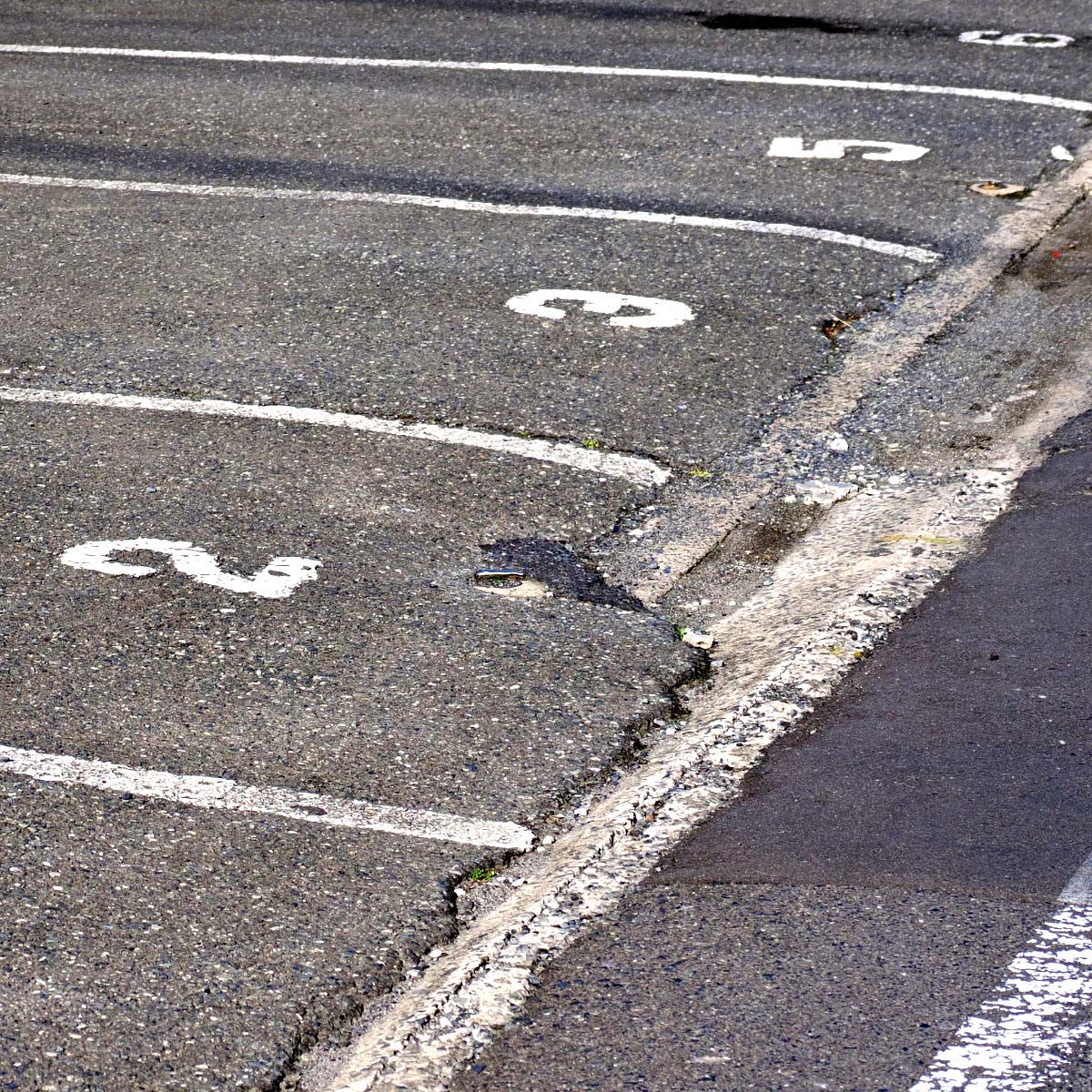
In newer parking lots, you’ll usually see all the numbers from 1 to 10, no problem.
But in older lots, it’s not uncommon to find no space labeled 4 or 9.
Spaces go from 3 → 5 or 8 → 10, as if those numbers never existed.
Where’s the 4th Floor?
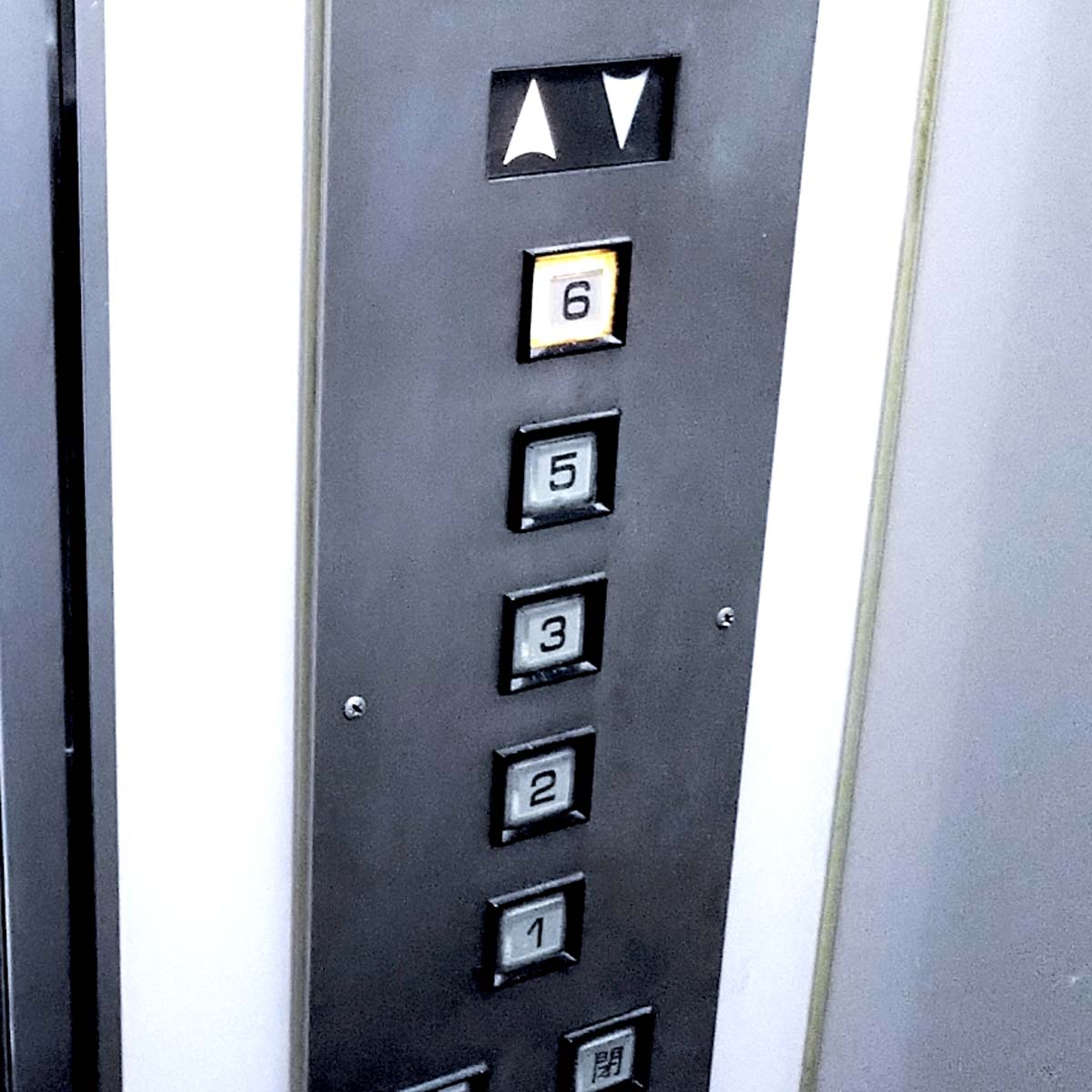
Some buildings in Japan don’t have a “4th floor” or “9th floor” at all.
Instead, what should be labeled as the 4th floor is marked as the 5th.
If you happen to spot one of these rare elevators skipping floors, you’ve found a fun little piece of cultural trivia.
Hotels and Apartment Numbers
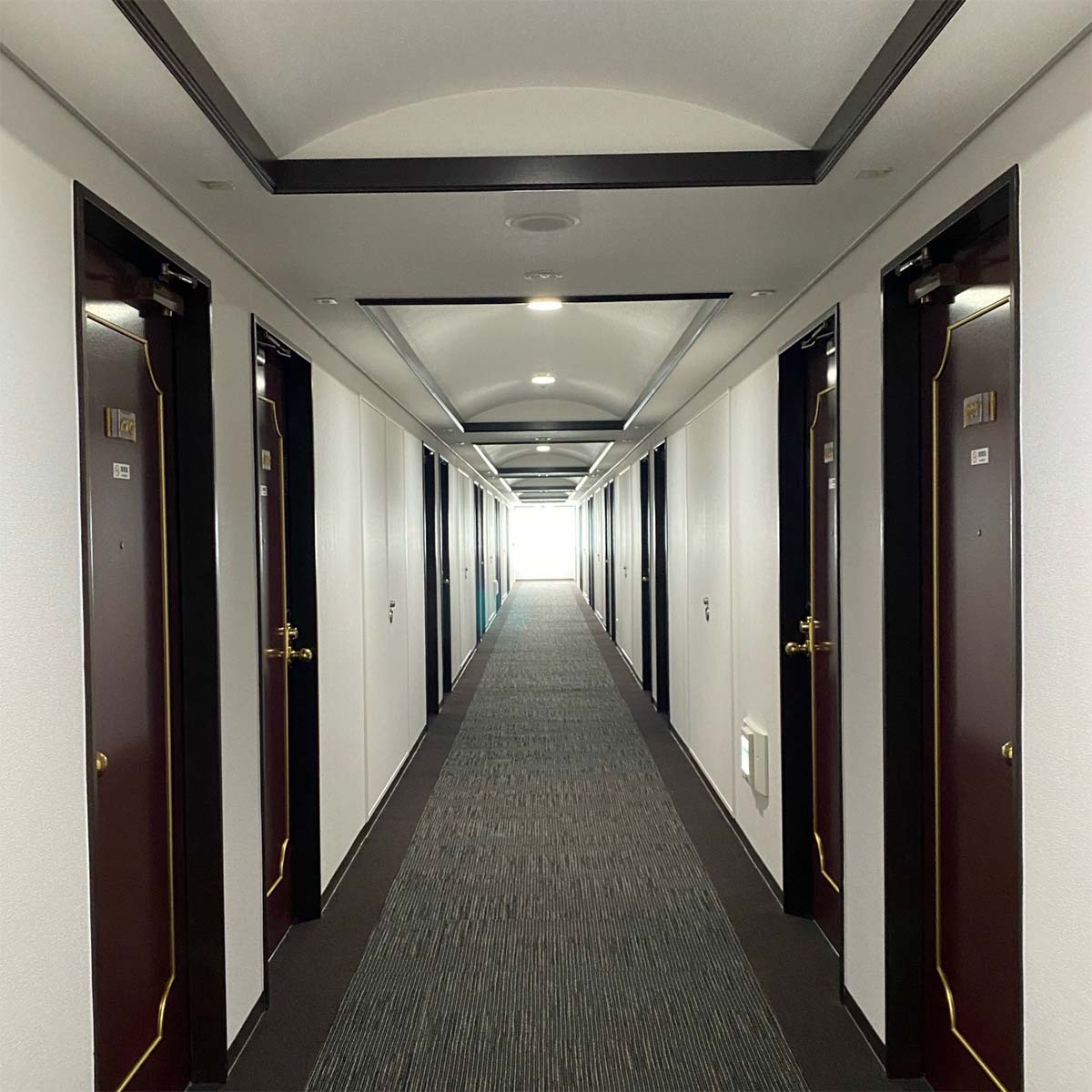
In many Japanese hotels and apartment complexes, room numbers often skip 4 and 9 as well.
You might see something like:
101, 102, 103, 105
106, 107, 108, 110
Rooms 104 and 109? Nowhere to be found.
See If You Can Spot It
If you ever visit Japan, try keeping an eye out for these missing numbers.
It’s one of those quiet cultural quirks that says a lot about how superstition still shapes everyday life—just beneath the surface.
#CULTURE
-
 What Is “Taishoku Daikō”? — The Japanese Service That Quits Your Job For You
 -
 Japan’s Strange School Rules — 5 That Still Leave People Wondering
 -
 Have You Heard of “Gotouchi Characters”?
 -
 Tsuchinoko: Japan’s Legendary “Unidentified Creature”
 -
 Most Japanese People Don’t Speak English — And Good Pronunciation Can Actually Get You Laughed At