
#HISTORY
The Ōhenmai Scandal: How Post-War Japan Nearly Poisoned Its Own People
Release date :
Last Update :
By the JAPANESE LIFE LETTER Editorial Team
OUTLINE
Here’s a little-known dark chapter from Japan’s post-WWII history: a near health crisis not caused by war or natural disaster—but by the government itself.
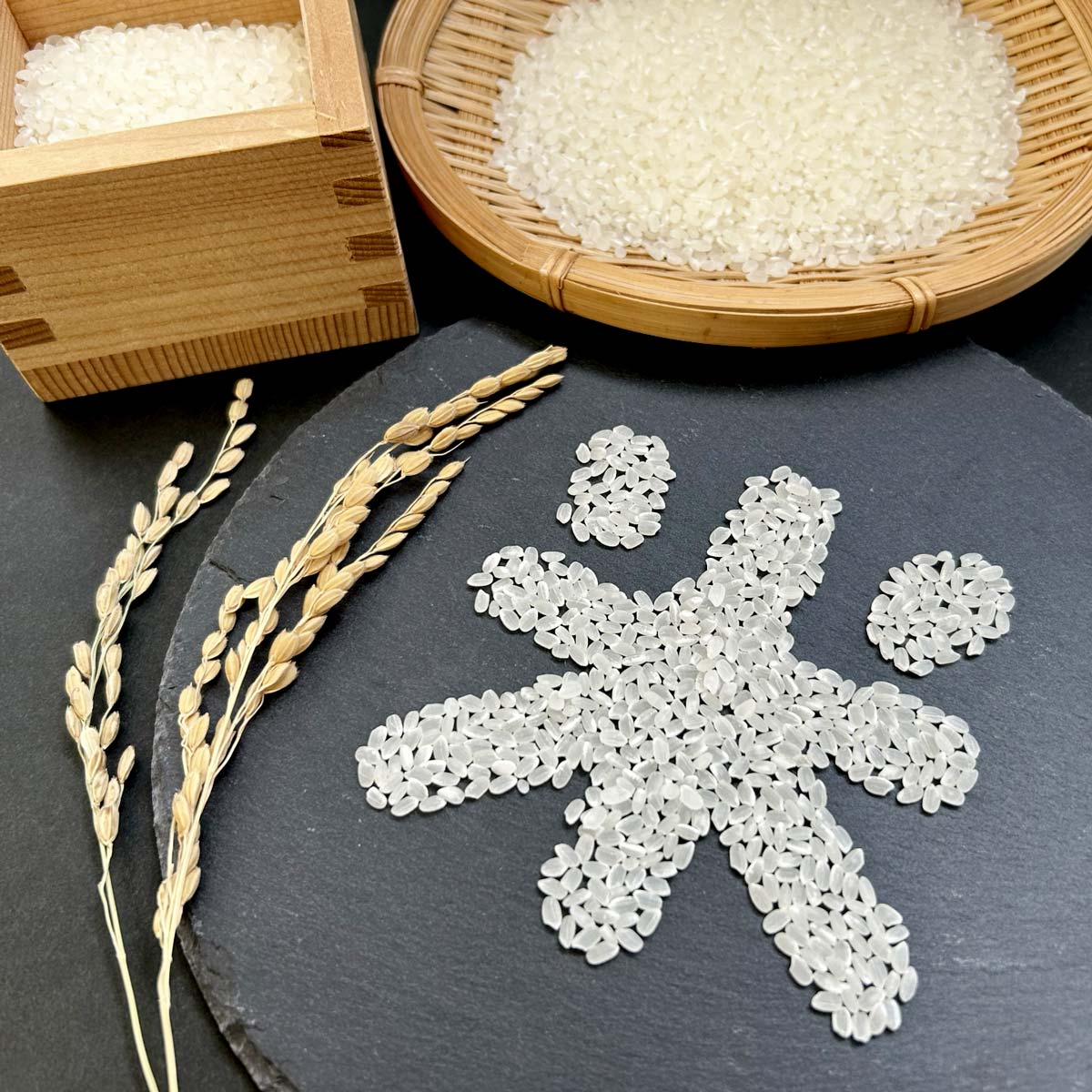
This is the story of Ōhenmai (黄変米) – literally “yellowed rice” – and the people who stepped in just in time to stop it.
It All Started With a Food Crisis
After World War II, Japan faced severe food shortages. Young men, who had once worked in agriculture, had been drafted into the military. Fertilizer was scarce. Rice production fell dramatically.
Couldn’t they import rice instead? Yes—but Japan didn’t have the money.

Cheap Rice, Dangerous Rice
With limited funds, Japan imported low-quality rice from abroad. But due to cost-cutting, proper temperature control and storage were neglected. As a result, the rice molded during transport.
Despite this, the government—eager to recover its investment—planned to distribute the moldy rice to the public.
The problem? It was potentially toxic, with the risk of causing kidney damage.
This moldy rice became known as Ōhenmai.
久々にイドゥリライスは一部が黄色くなっていた。
— ロザンナ (@rozanna_curry) June 8, 2023
黄変米と言ってあまり良くないらしいね。
勿体無いけど捨てます…。 pic.twitter.com/U3eUOsduiu
Denial and Cover-Up
The Ministry of Agriculture (now the Ministry of Agriculture, Forestry and Fisheries) insisted:
"There’s no scientific proof that Ōhenmai is dangerous."
In reality, they were desperate. Warehouses were packed with unusable rice, and throwing it out wasn’t an option—especially with food in short supply.
The Press Takes a Stand
That’s when Asahi Shimbun, a major Japanese newspaper, stepped in.
In July 1954, they ran a headline-grabbing report:
"The government is planning to distribute moldy rice to the public!"
Public outrage followed. People protested in the streets.
Yet the government still didn’t back down.
A Ministry Showdown
The Ministry of Agriculture wanted to push through the plan.
But the Ministry of Health (now the Ministry of Health, Labour and Welfare) assembled a special research group—the Ōhenmai Special Study Committee.
Led by Dr. Hiroshi Kakuta and Associate Professor Kenji Uraguchi, the team ran scientific tests and found that Ōhenmai was highly toxic.
The research left no room for denial. The government finally canceled the distribution.
The Scientist Who Spoke Out
Dr. Kakuta had voiced opposition from the very beginning.
Some believe that if it weren’t for him, the issue might have been buried—and the public could have unknowingly eaten the toxic rice.
So… What Happened to the Rice?
With no place to store it and no one to feed it to, the rice sat in warehouses.
Eventually, over the years, it was quietly disposed of—most likely repurposed as livestock feed.
Can Rice Still Go Moldy?
Yes, absolutely.
Rice stored in warm, humid conditions can easily develop mold.
If the whole batch is slightly yellow, it might just be oxidation—a harmless color change.
But if only parts are bright yellow or it smells odd, it’s likely moldy.
Don’t eat it—just throw it out.
Final Thoughts
The Ōhenmai scandal reminds us that even something as everyday as rice can carry the weight of politics, science, and public trust.
And that sometimes, it takes just one determined voice—and good science—to protect an entire nation.
There are no posts yet.