
#CULTURE
Most Japanese People Don’t Speak English — And Good Pronunciation Can Actually Get You Laughed At
Release date :
Last Update :
By the JAPANESE LIFE LETTER Editorial Team
OUTLINE
Why do so few Japanese people speak English, even after six years of classes?
Are Japanese People Bad at English?
Here’s my personal impression:
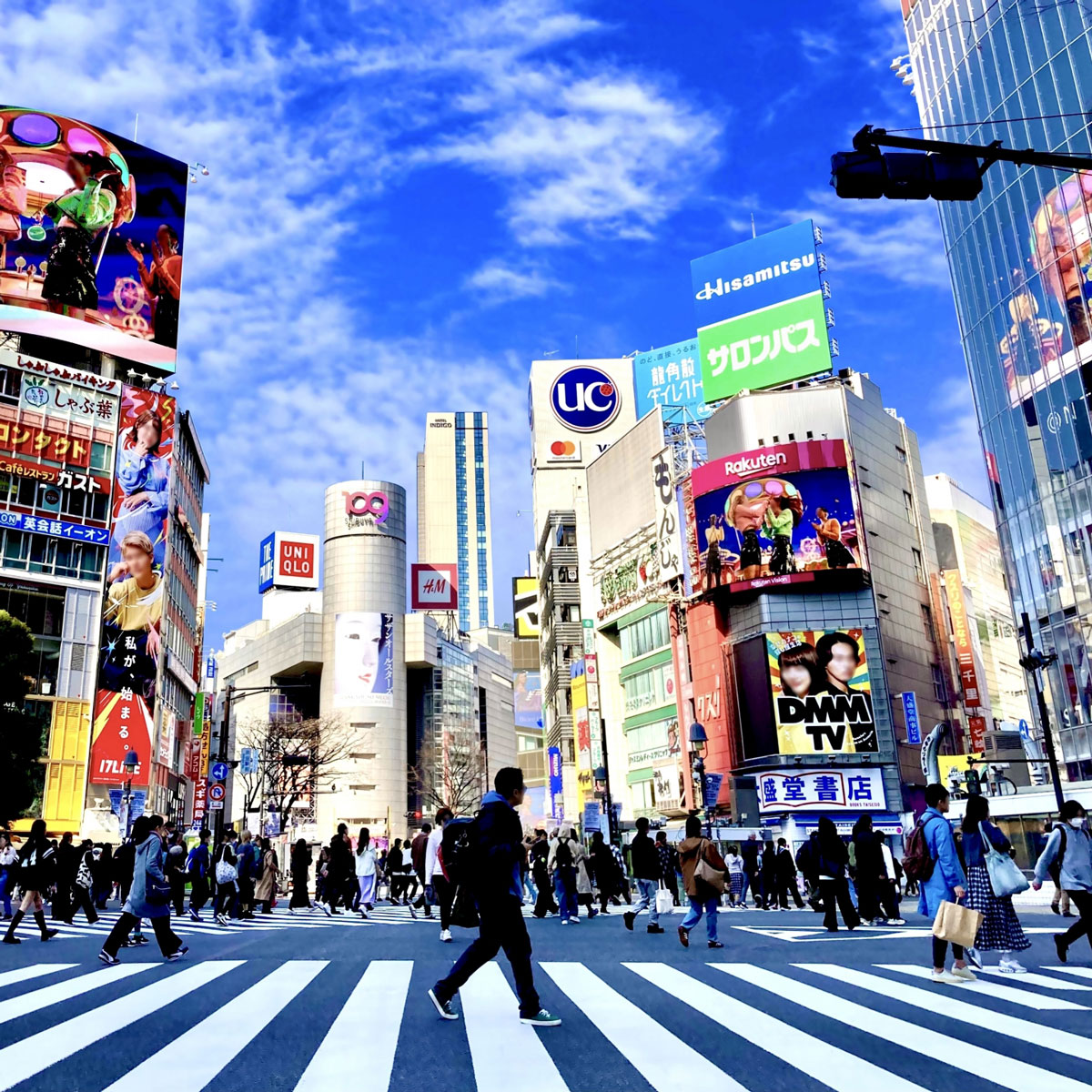
If you’re a tourist visiting Shibuya Crossing in Tokyo and try speaking English to random people, maybe 1 out of 300 might respond with more than a few words.
The rest? They’ll likely either ignore you or give you a confused smile and walk away.
What the Data Says
According to one Japanese survey, about 7% of people have “business-level English skills.”
Source:実用レベルの英会話力、日本人はわずか7% 民間調べBut there’s a catch: that number only includes people who voluntarily took a specific English exam. It’s not really representative of the general population.
Personally? I still believe the real number is closer to 0.3%—around 1 in 300 people.
Six Years of English Classes... and Still Can't Speak?
In Japan, students typically study English for six years—three years in middle school and another three in high school.
And yet, the vast majority still say “I can’t speak English.”
More recently, English classes have even been introduced in elementary schools. But to be honest... I’m not too optimistic that it will make a big difference.
So Why Can’t They Speak?
Here’s the thing: Japanese people often memorize vocabulary and grammar perfectly, but when it comes to conversation, they freeze.
So it’s not exactly that they “can’t speak.”
It’s more that they don’t have the courage to speak.
From what I’ve observed, there are three main reasons:
・Perfectionism
・Social image
・Childhood trauma (yes, really)
Reason 1: Perfectionism
Japanese culture often values perfection—and that carries over into language learning.
Many people believe things like:
“I shouldn’t speak unless I can say it perfectly.”
“If I make a mistake, I’ll be judged.”
“It’s embarrassing to speak broken English.”
So even people who actually could have a basic conversation just keep quiet instead.

Reason 2: Negative Social Image
This one’s a bit harder to explain, but in Japan, speaking English can come with weird social baggage.
Someone who speaks fluent English might be seen as:
・Showing off
・Being arrogant
・Trying to act “above” others
There’s even a Japanese saying:
“The nail that sticks out gets hammered down.”
Basically: if you stand out, you risk being excluded or criticized.
And unfortunately, speaking English can make you “stand out.”
Would you feel motivated to learn under those conditions?

Reason 3: Trauma From School
This ties into the last point.
In English class, teachers often ask students to read out loud.
If a student uses a good accent—like pronouncing th or r properly—the rest of the class might laugh.
Why? No one really knows. But it happens.
And it can get worse:
Some students get bullied just for having good pronunciation.
Others develop a lasting fear of speaking English, even as adults.

Don’t Worry—Tourist Spots Are Different!
If you’re visiting Japan as a tourist, you’ll be fine in major areas like Shinjuku, Shibuya, or Kyoto.
Hotel staff and restaurant workers in these spots are usually trained to handle English.
But if you ask a random person on the street for directions?
There’s a good chance they’ll panic and ignore you—not because they’re rude, but because they’re not used to being approached by foreigners.
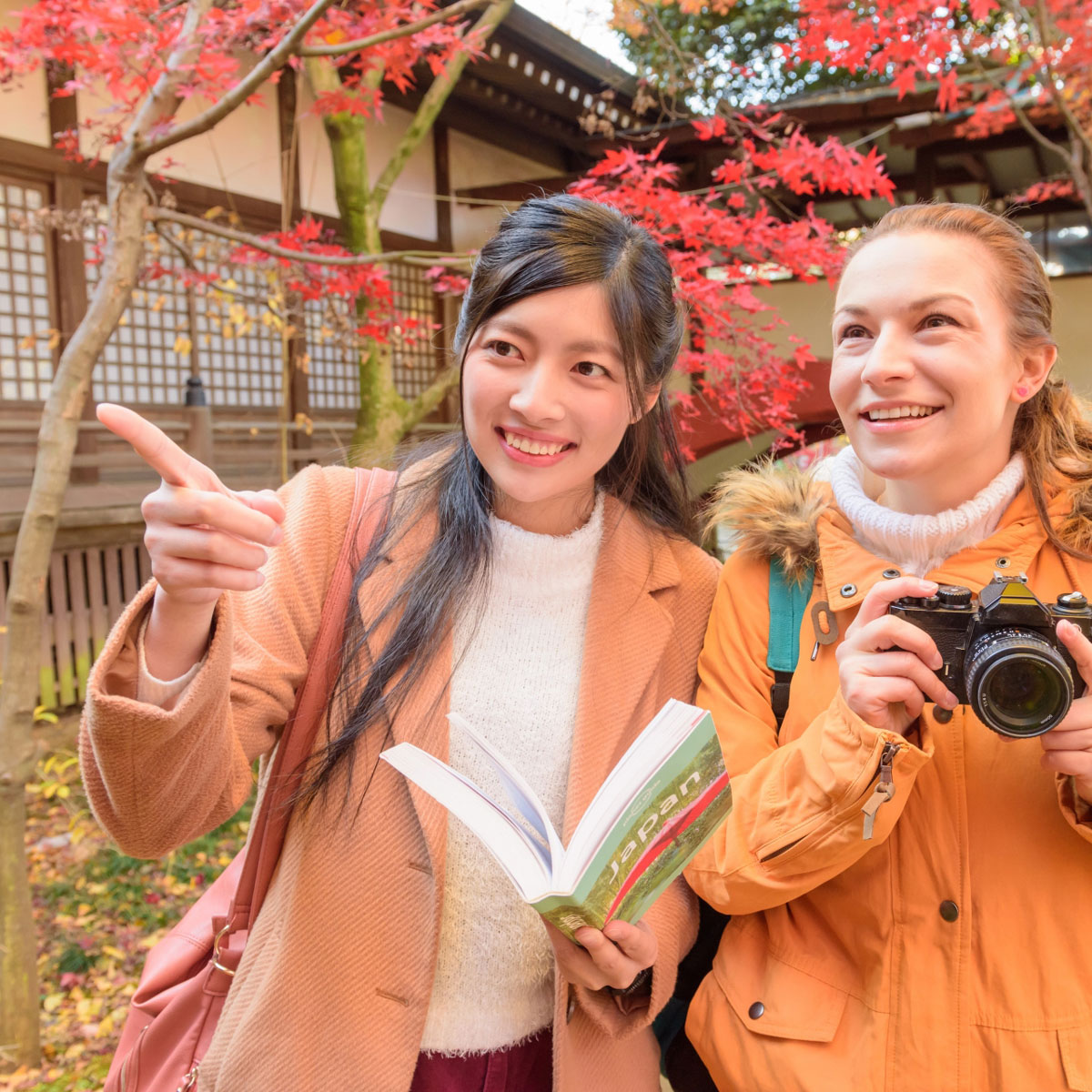
Instead of speaking, try using a translation app on your phone. You’ll often find people respond much more kindly that way.
And if someone literally runs away when you speak to them? Don’t take it personally—they’re probably just terrified.
#CULTURE