
#CULTURE
“Hatsuyume”: Japan’s First Dream of the Year and What It Might Mean
Release date :
Last Update :
By the JAPANESE LIFE LETTER Editorial Team
OUTLINE
What is "Hatsuyume"?
In Japan, hatsuyume (初夢) means “the first dream you have after the New Year begins.”
It’s said that if certain things appear in this dream, it’s a sign that your year is going to be a good one.
“Ichi Fuji, Ni Taka, San Nasubi” – The Lucky Trio
There’s a famous saying in Japan:
“Ichi Fuji, Ni Taka, San Nasubi” – literally,
“First: Mt. Fuji, Second: Hawk, Third: Eggplant.”
These are ranked in order of good fortune.
The numbers (1, 2, 3) aren’t just for ranking—they also give the phrase a nice rhythm when spoken.
Let’s break it down:
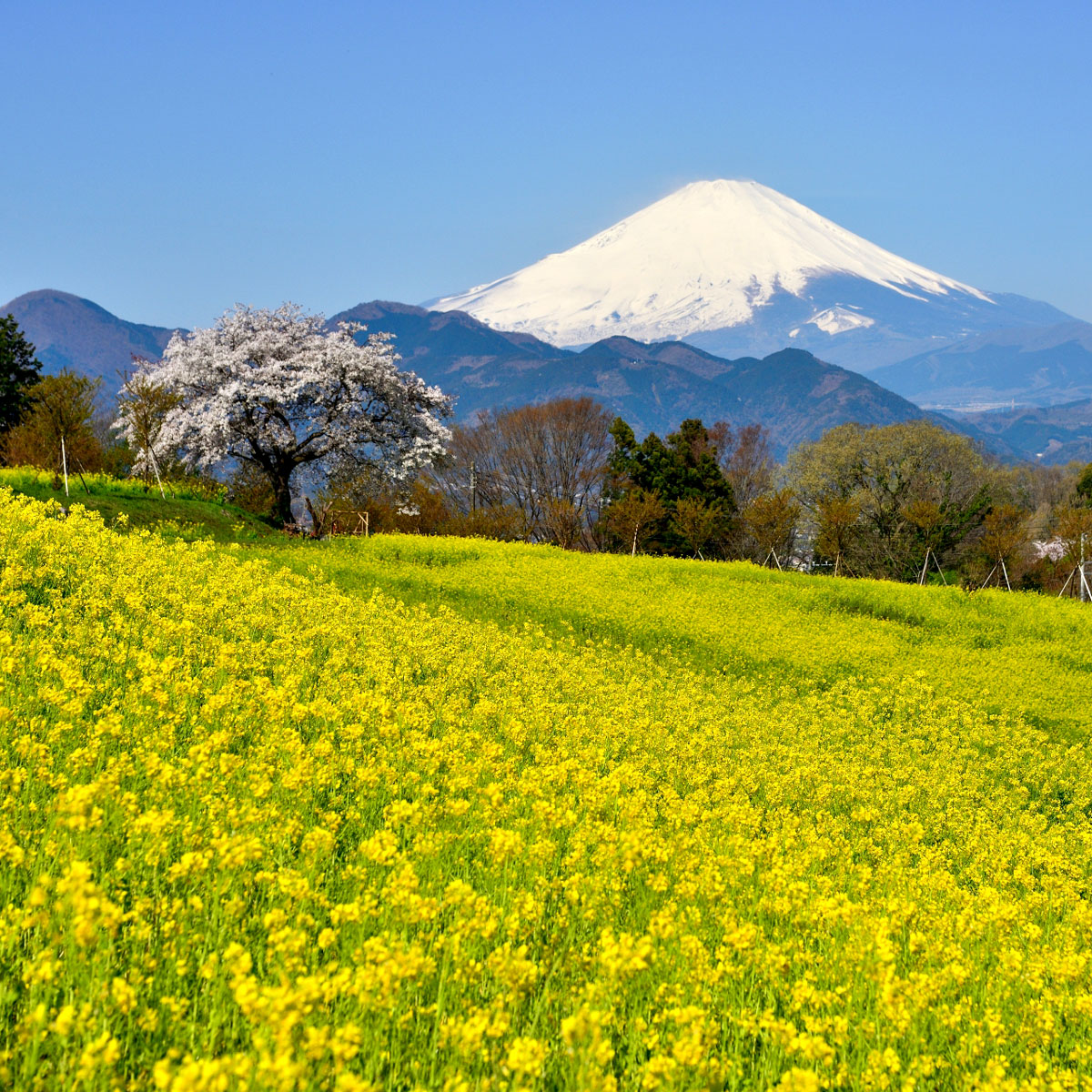
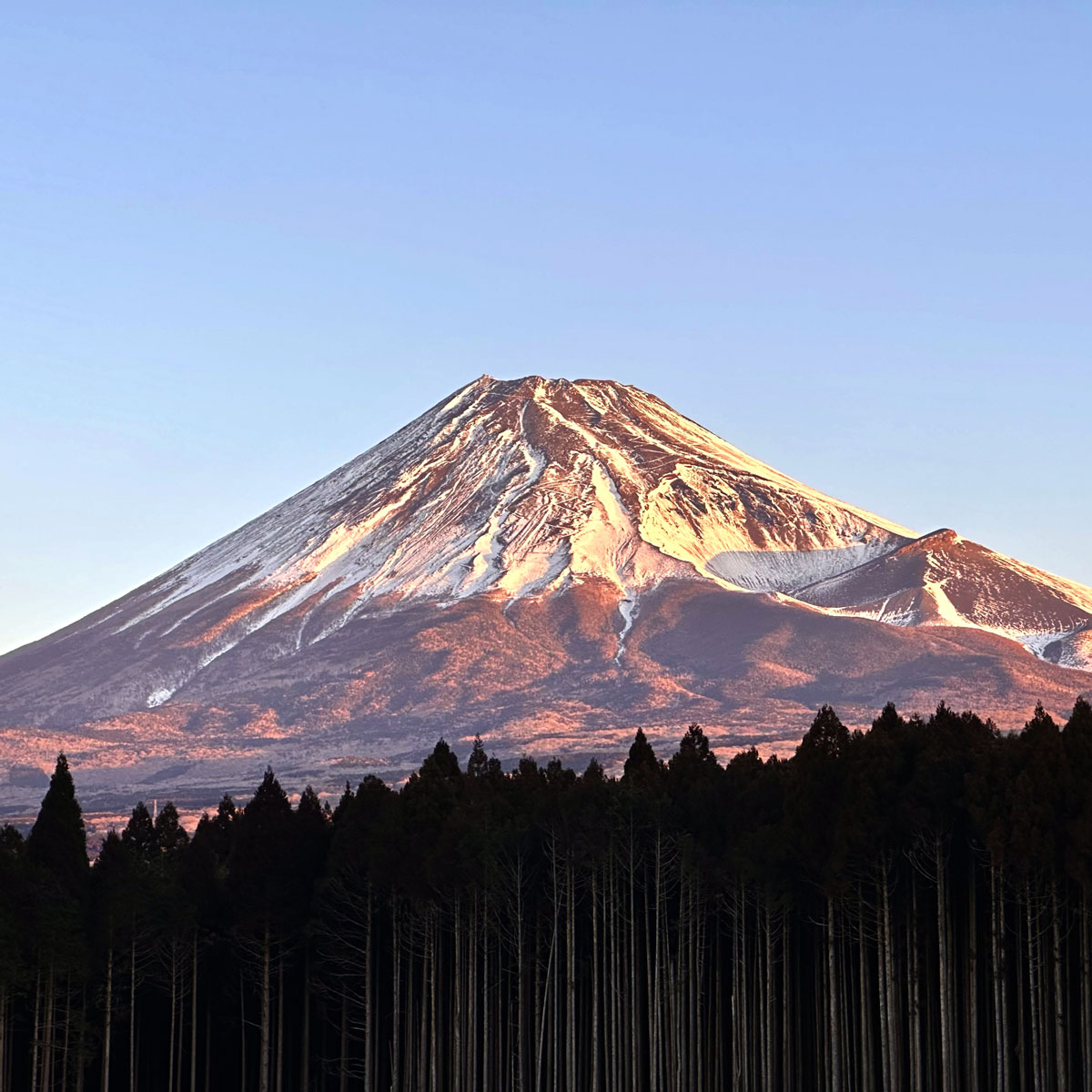
Fuji (富士)
Refers to Mt. Fuji, Japan’s tallest and most iconic mountain.
Taka (鷹)
A hawk, symbolizing strength and ambition.

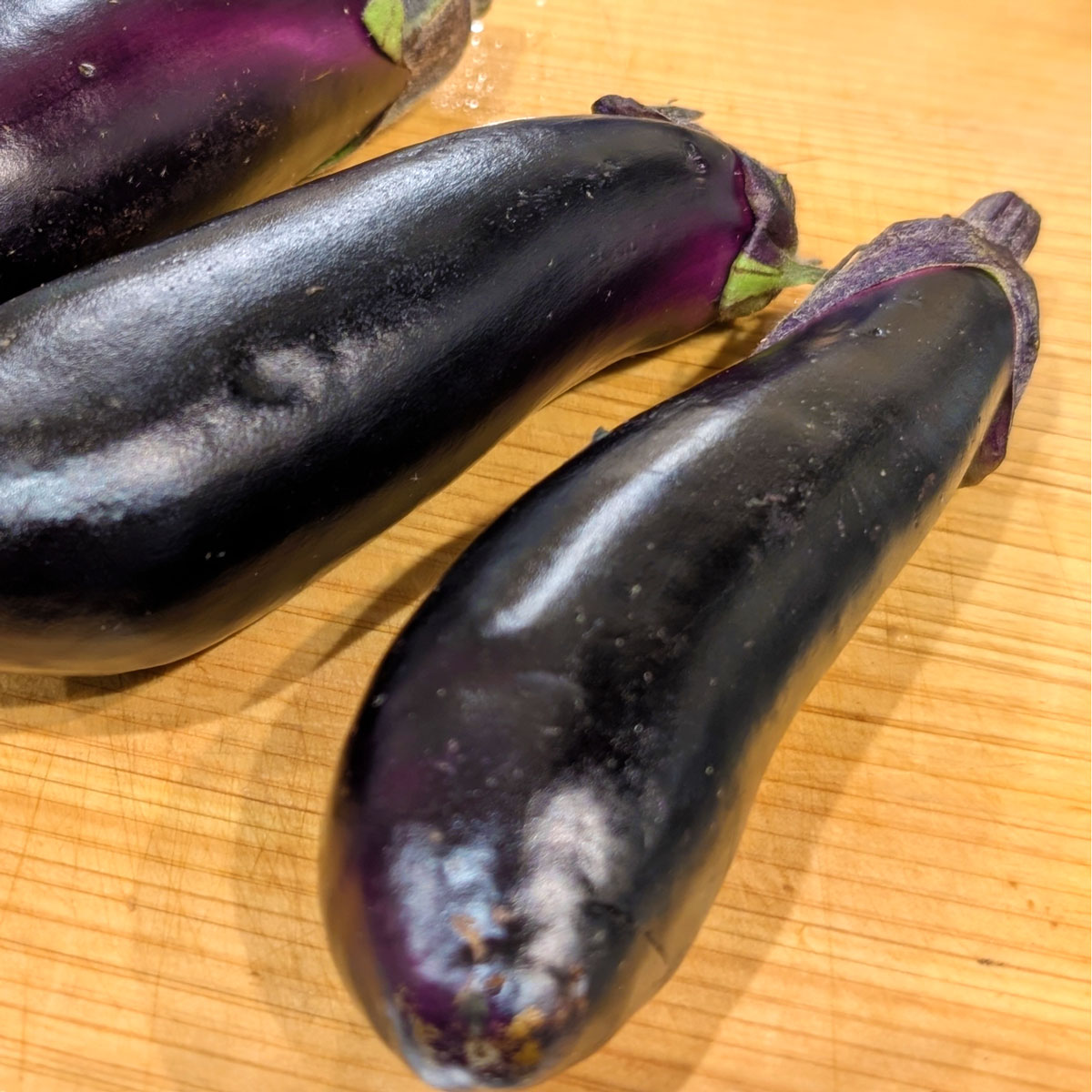
Nasubi (茄子)
Eggplant. Yep, eggplant.
By the way, in modern Japanese, people usually say “nasu” instead of “nasubi”—the latter is a bit old-fashioned.
Most people in Japan are only familiar with these three, but the original list actually continues:
“Shi Ōgi, Go Tabako, Roku Zatō”
Fourth: Folding fan, Fifth: Tobacco, Sixth: Blind masseur
Ōgi (扇) – A folding fan
Tabako (煙草) – Tobacco (not modern cigarettes, but traditional kiseru pipes)
Zatō (座頭) – In the Edo period, this referred to blind people who often worked as masseurs or musicians.
(You might have heard of the movie Zatōichi, directed by Takeshi Kitano—it’s a well-known film overseas too.)
Do People Really Believe in This?
To be honest, most people today don’t take it seriously.
It’s more like, “Well, it sounds cool, and if it is good luck, then that’s fun!”
So the phrase and idea continue to live on more as cultural folklore than actual superstition.
Some People Don’t Even Know About It
Younger generations might not have heard of it at all.
But for many born in the ‘80s or early ‘90s, the phrase “Ichi Fuji, Ni Taka, San Nasubi” is at least vaguely familiar.
Sometimes, when people meet friends for the first time after New Year’s, someone might joke:
“Did you dream of Mt. Fuji?”
The usual answer?
“Of course not, lol.”
If you ever get the chance to talk with someone from an older generation in Japan, try asking if they’ve ever had a hatsuyume with Mt. Fuji, a hawk, or an eggplant in it. It might spark a fun conversation!
#CULTURE
-
 What Is “Taishoku Daikō”? — The Japanese Service That Quits Your Job For You
 -
 Japan’s Strange School Rules — 5 That Still Leave People Wondering
 -
 Have You Heard of “Gotouchi Characters”?
 -
 Tsuchinoko: Japan’s Legendary “Unidentified Creature”
 -
 Most Japanese People Don’t Speak English — And Good Pronunciation Can Actually Get You Laughed At