

#CULTURE
Japan Has a National Exercise Routine Everyone Knows
Release date :
Last Update :
By the JAPANESE LIFE LETTER Editorial Team
OUTLINE
Just play the music, and people might start moving automatically.
An Exercise All Japanese People Can Do?
There’s a short exercise routine in Japan called “Radio Taiso” (literally, radio exercises). And here’s the amazing part:
Almost every Japanese person knows how to do it.
Thanks to Japan’s compulsory education system, nearly all kids go to elementary school (shougakkou)—and at almost every school, Radio Taiso is part of daily life.
It’s often used as a warm-up in gym class or before school events, and because the music is catchy and the moves are simple, it’s easy to learn and hard to forget.
1 and 2: Two Versions of the Routine
There are actually two main versions of Radio Taiso.
Radio Taiso #1 is the basic one—nearly every Japanese person can do this.
Radio Taiso #2 is less commonly taught.
Many people recognize the music, but forget the moves.
A Quick History Lesson
The idea originally came from the U.S.—in 1925, an American radio station began airing a “health exercise” program.
Inspired by that, Japan created its own version in 1928, known as the National Health Exercises.
The version that survives today was actually reintroduced in 1951—and there’s a reason for that.
Source:ラジオ体操の歴史 | NPO法人全国ラジオ体操連盟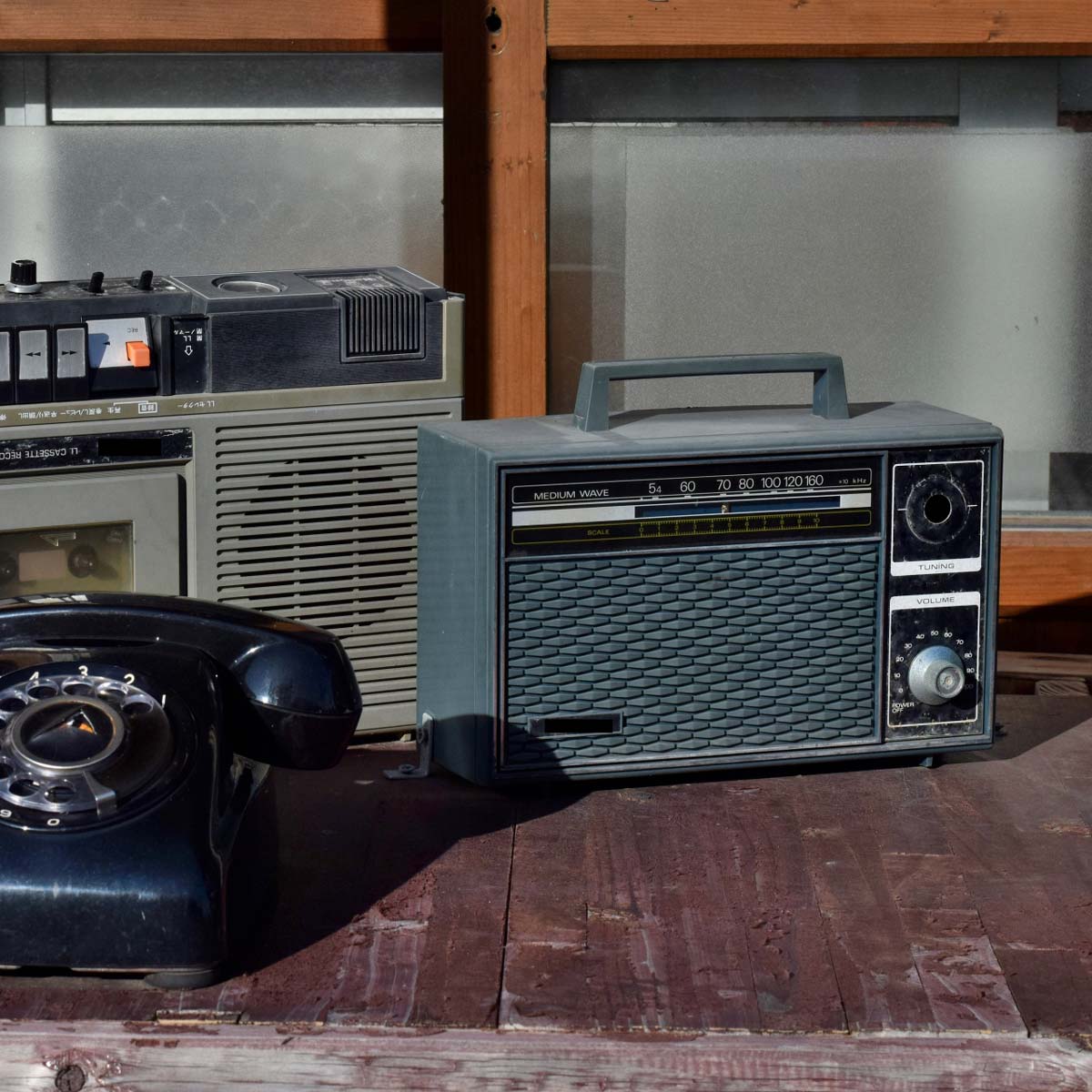
Banned by the U.S. After the War
After Japan’s defeat in World War II (1945), the occupying U.S. forces banned Radio Taiso.
Why?
Because people moving together in sync to music felt too “militaristic” or “totalitarian.”
They feared it could once again be used to boost nationalistic spirit, so broadcasts were halted.
But public demand to bring it back was strong—so Japan’s national broadcaster, NHK, created a new version and resumed airing it in 1951.
Source:日本の国民的体操「ラジオ体操」 | October 2019 | Highlighting JapanA Summer Tradition with Stamp Cards
In many areas of Japan, something special happens during summer break:
Kids get stamp cards.
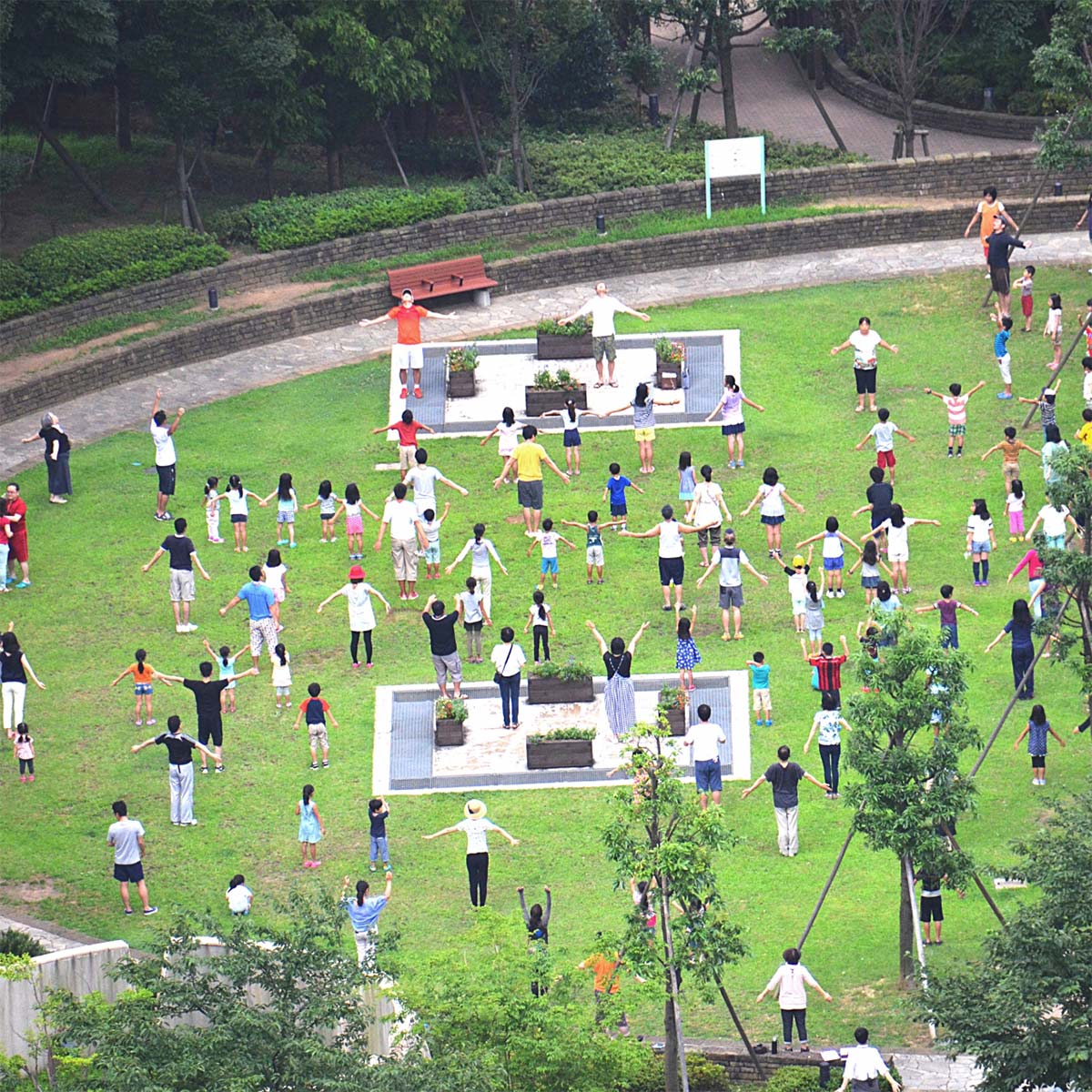
Every morning during the holiday, children gather in local parks to do Radio Taiso together.
Afterward, they get a stamp on their card.
Fill up the card, and you get prizes like snacks or small gifts.
It’s a clever way to keep kids waking up early—even when school’s out—and maintain healthy habits.
FYI: Summer break in Japan usually runs from around July 25 to August 31, with some variation depending on the region.
Perfect for a Quick Morning Routine
Since the routine is short and simple, many adults do it as part of their daily ritual, too.
It airs every morning on TV and radio, so some people wake up with it and get a bit of movement in before starting their day.
If you actually put some energy into it, you’ll be surprised—it warms up your body just enough.
Some Japanese companies even use it as a group warm-up before work.
Feeling Stiff? Give It a Try
Whether you’re in Japan or not, you can still join in.
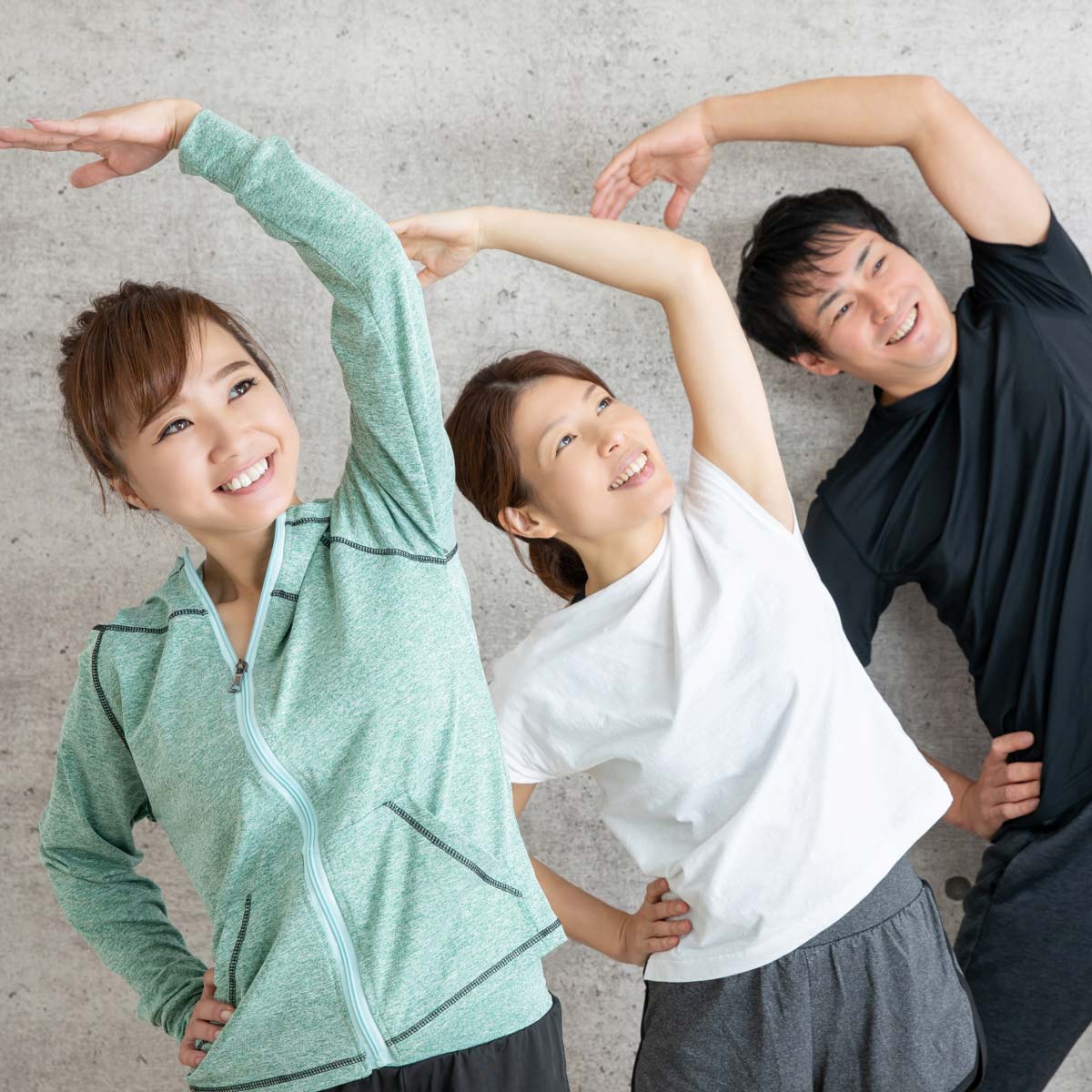
It’s fun, nostalgic (even if it’s not your nostalgia), and a great way to stretch your body for a few minutes a day.
#CULTURE
-
 What Is “Taishoku Daikō”? — The Japanese Service That Quits Your Job For You
 -
 Japan’s Strange School Rules — 5 That Still Leave People Wondering
 -
 Have You Heard of “Gotouchi Characters”?
 -
 Tsuchinoko: Japan’s Legendary “Unidentified Creature”
 -
 Most Japanese People Don’t Speak English — And Good Pronunciation Can Actually Get You Laughed At