
#CULTURE
“Osechi” – Japan’s Traditional New Year Cuisine (That Fewer People Are Eating)
Release date :
Last Update :
By the JAPANESE LIFE LETTER Editorial Team
OUTLINE
A Special New Year Dish
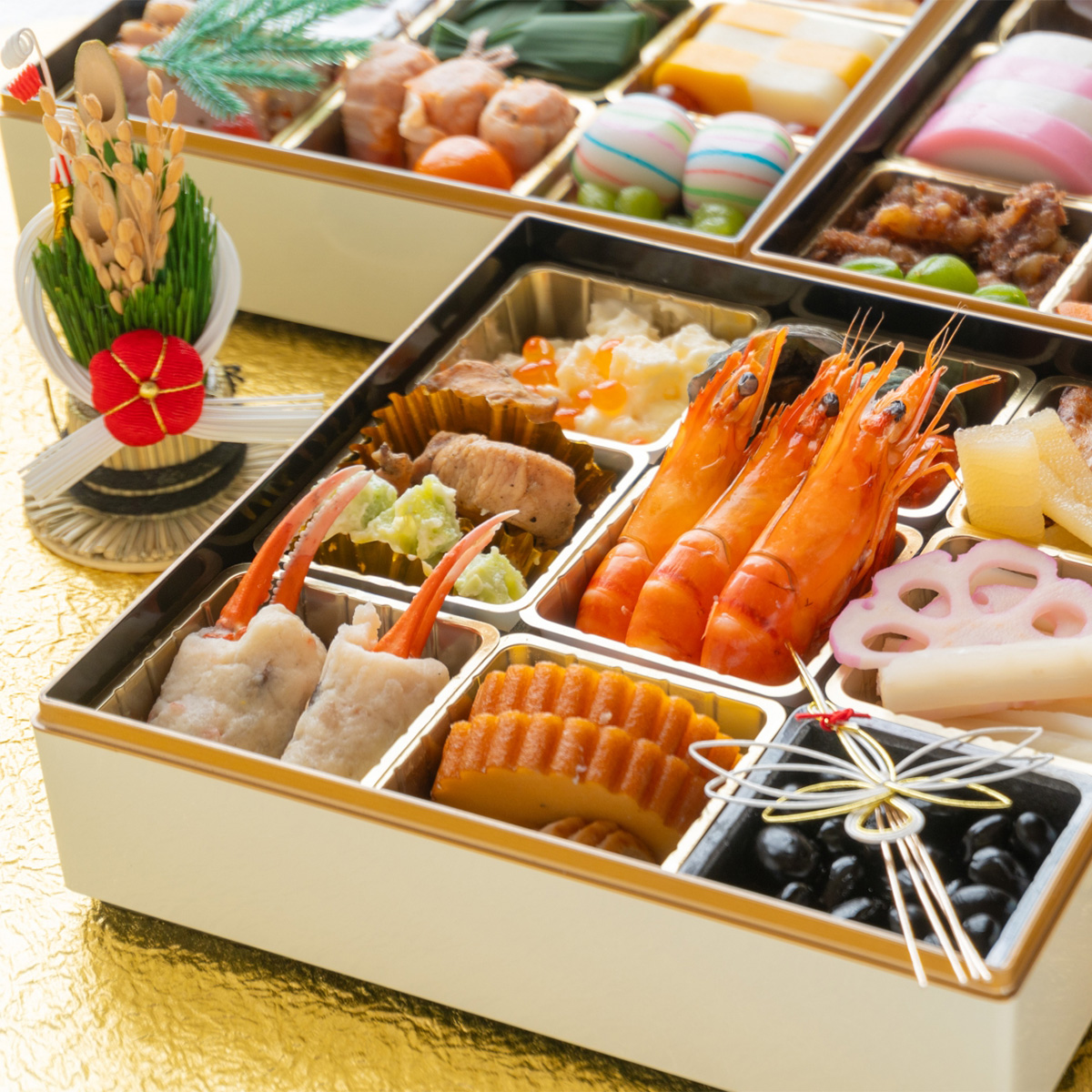
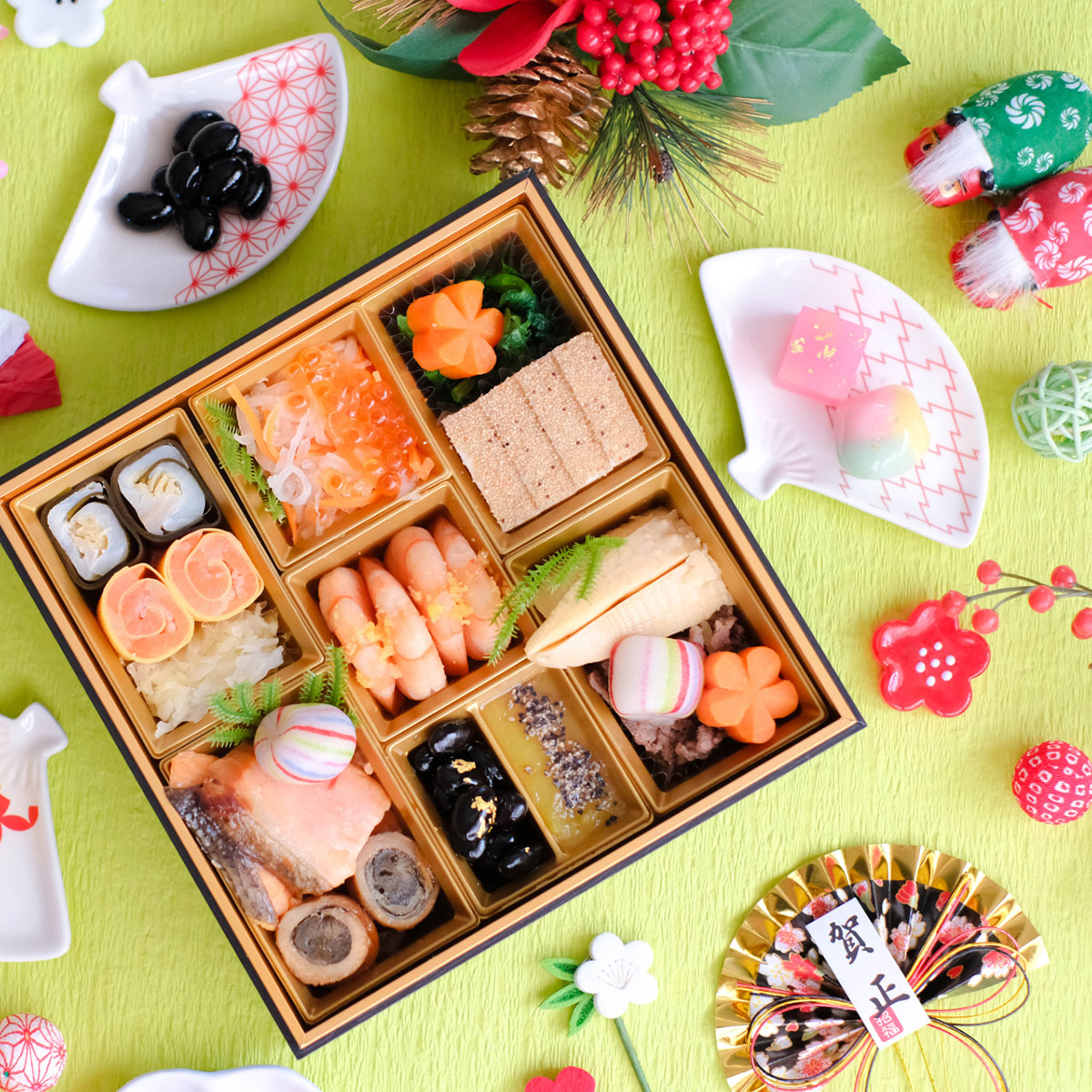
In Japan, there's a unique tradition of eating special food called osechi to celebrate the New Year.
These meals are beautifully arranged in stacked square boxes called jubako, with no gaps between the colorful dishes—an aesthetic that's very Japanese.
Why Do People Eat Osechi?
The exact origin of osechi isn't clear, but some say it dates back to around the year 800.
Back then, celebratory rituals included food that resembled what we now call osechi.
Today, osechi is something people only eat during New Year's.
Why just during this time?
One reason is that people want to relax at the start of the year. The idea is to prepare food in advance so no one has to cook during the first three days of January.
But why does osechi let you skip cooking?
All of the dishes are made with strong flavors—salty, sweet, or vinegary—so they keep well for several days. They’re basically made to last!
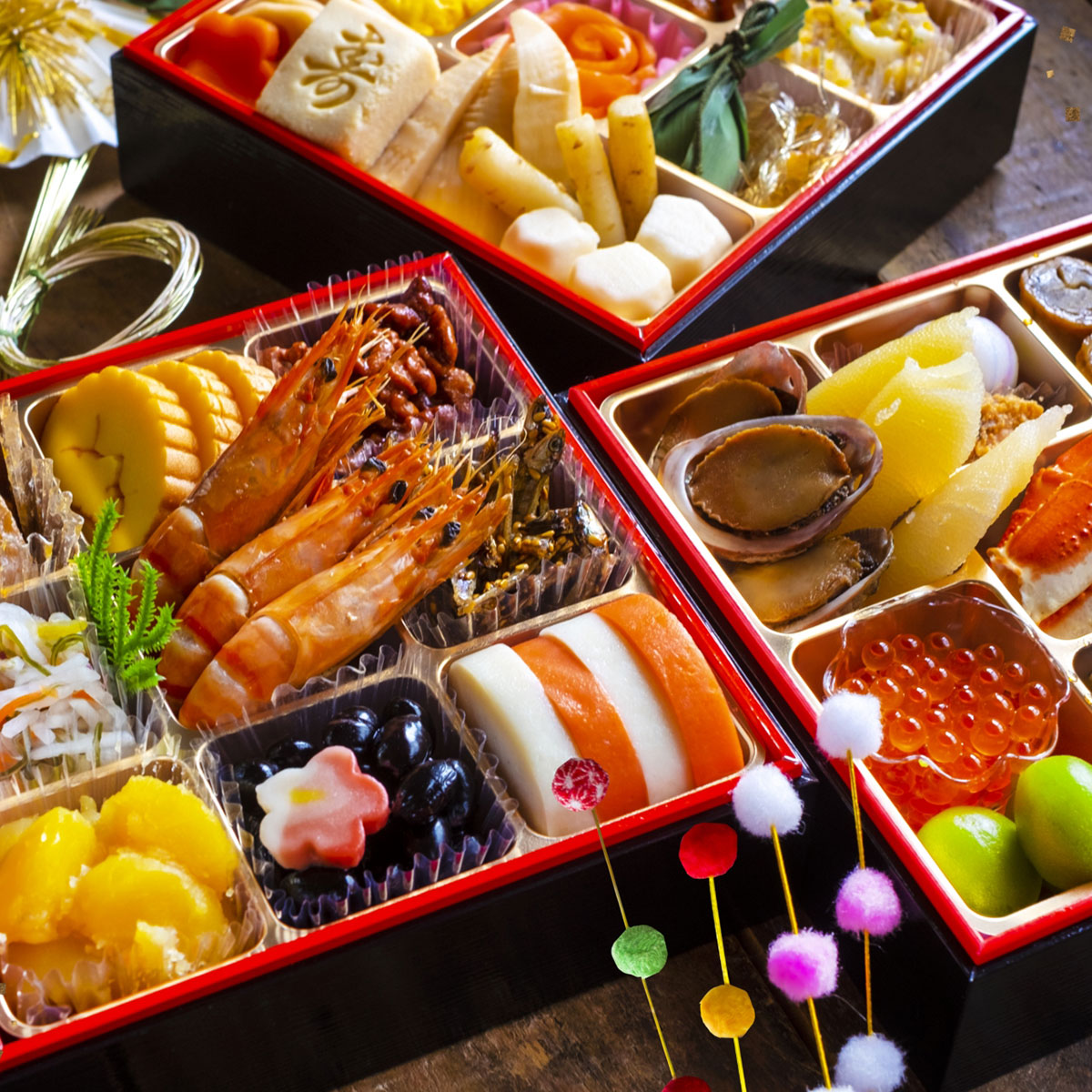
It’s an Acquired Taste
To be honest, I don’t like most of the foods in osechi. And I don’t hear many people around me praising it, either.
The flavors are quite different from what we usually eat, so they might feel unfamiliar or even strange.
That said, some people love it—so it really depends on your personal taste.
Each Dish Has Meaning
Here are a few examples:
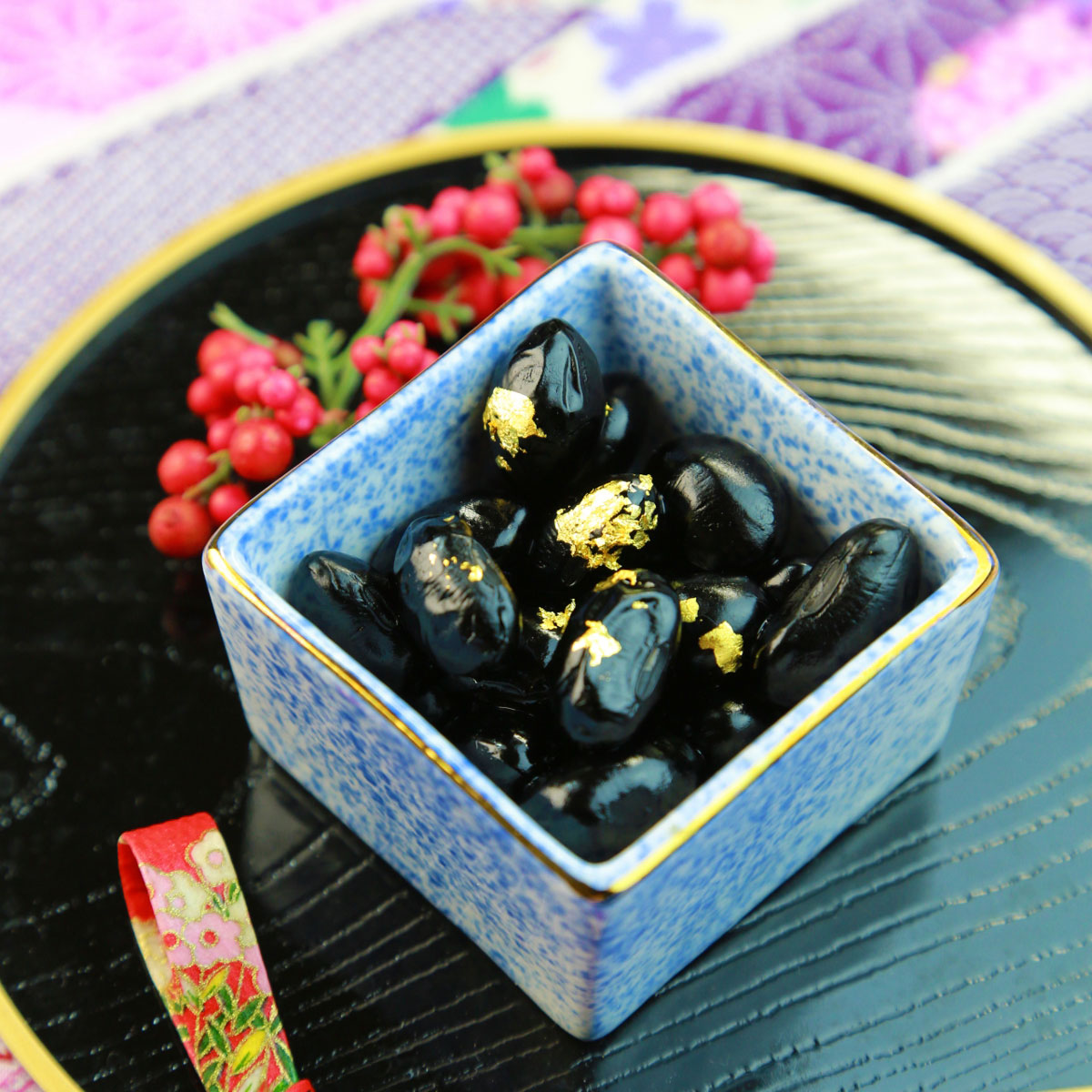
Kuro-mame (Black soybeans)
In Japanese, mame means “bean,” but it also sounds like the word for “hardworking” or “diligent.” So eating these beans is a wish for an energetic, healthy year.
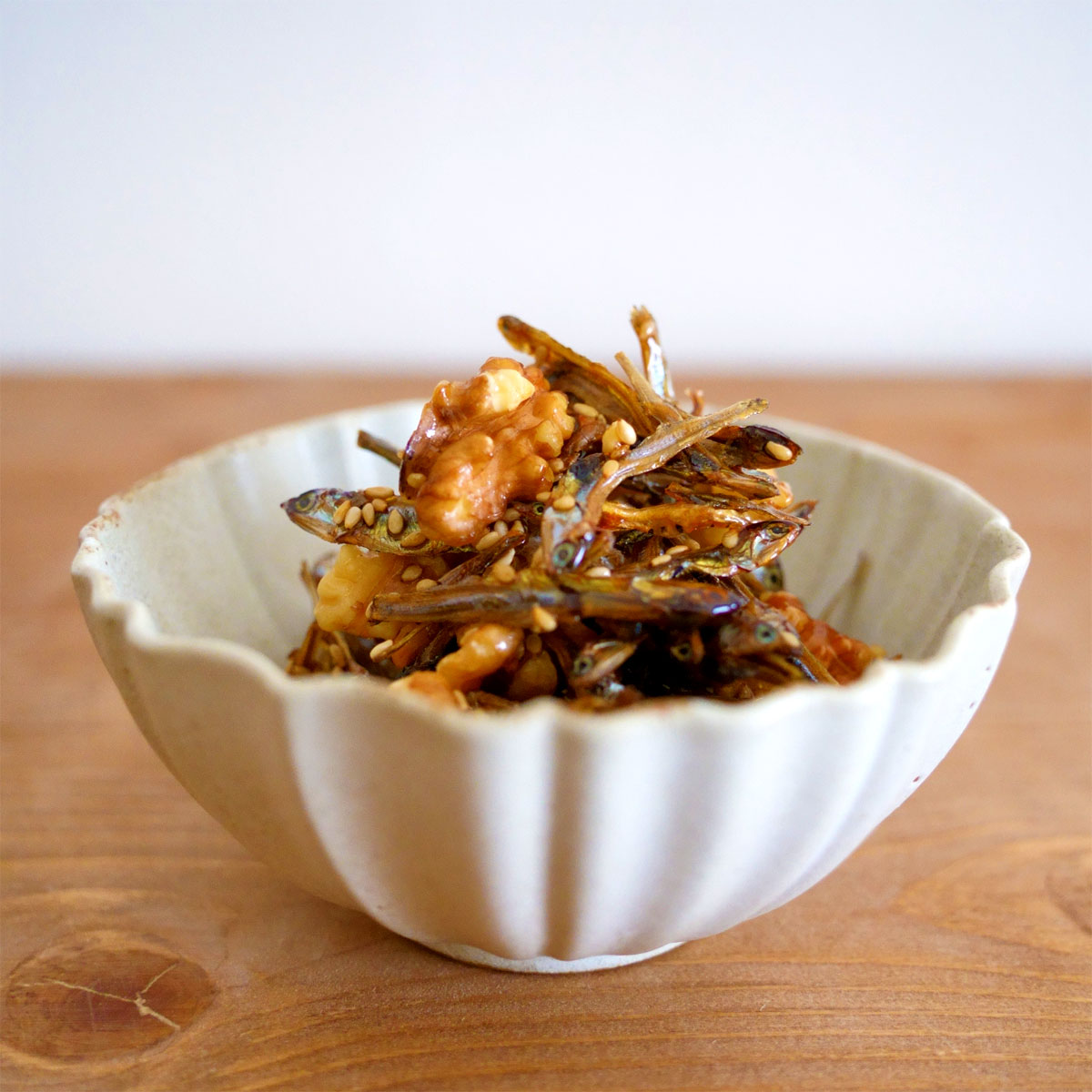
Tazukuri (Dried baby sardines)
These were once used as fertilizer in rice fields. The name literally means “rice field making,” symbolizing a good harvest.
Kobu-maki (Kelp rolls)
These rolls are made of kelp (konbu), and the name is a pun on the word yorokobu (to be happy). A bit of a stretch, but wordplay like this is common in osechi dishes.
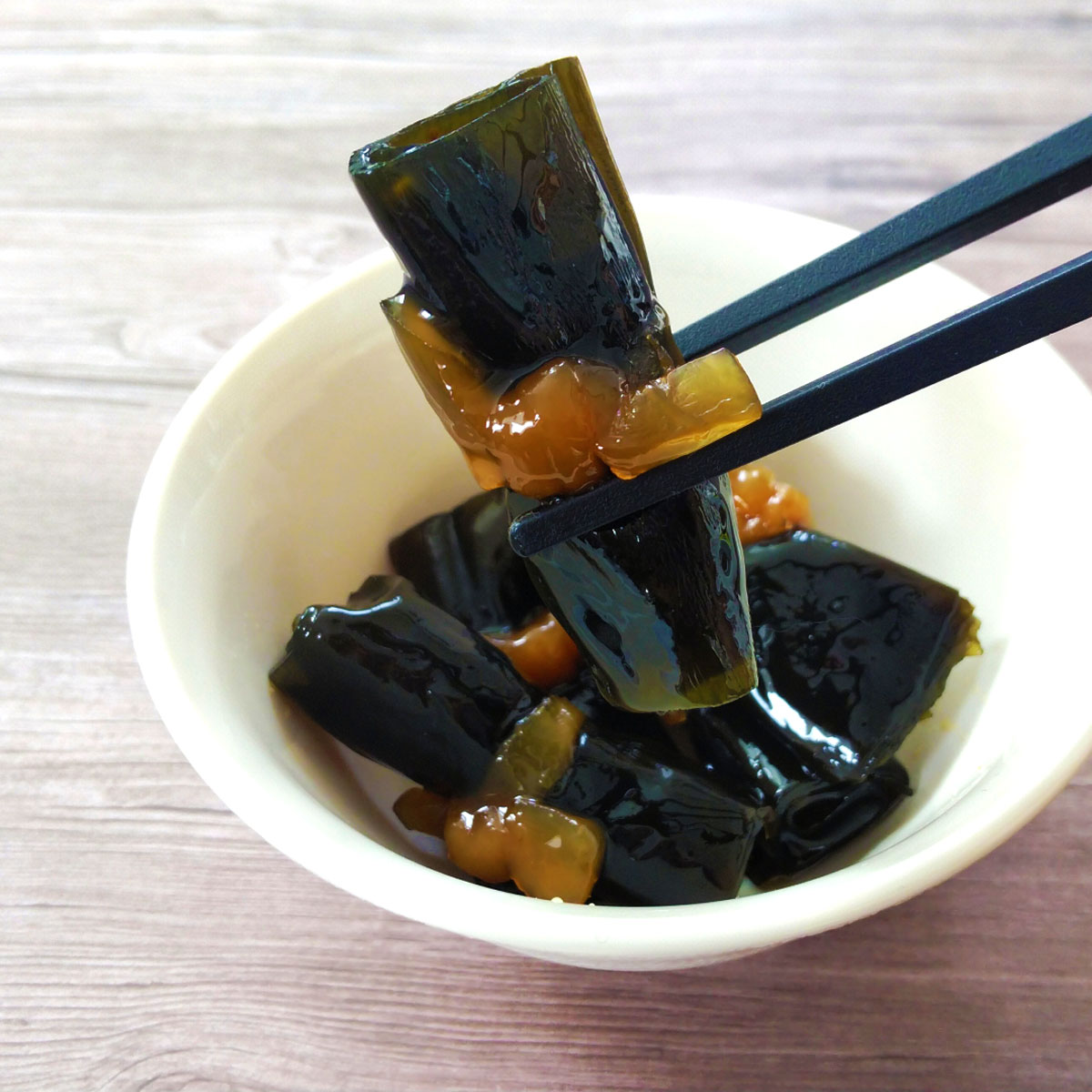
Japanese can be confusing—konbu is the usual reading for kelp, but in this dish it’s read as kobu. That kind of variation happens a lot!
There are many more, but I’ll stop here. Osechi is full of symbolic meanings and puns.
Fewer People Are Eating Osechi?
Here’s the percentage of people who didn’t eat osechi:
2007: 20.1%
2020: 42.7%
2024: 46.3%
Source:
So, compared to 20 years ago, a lot fewer people are eating it.
I remember when not eating osechi would surprise others—like, “Why not?!”
But now, it’s more like, “Ah, that’s one way to spend the New Year too.” It’s become more accepted.
The Osechi Business Is Booming
Some people still make osechi from scratch, but it takes a ton of effort and time.
Many now just pre-order sets from stores.
From around September, supermarkets and department stores start putting up posters for osechi reservations.
Shops that advertise earlier get more customers, so the reservation season keeps creeping earlier and earlier.
It’s kind of strange to see New Year food ads while it’s still hot in September!
Give It a Try!
If you ever find yourself in Japan during the New Year, it might be fun to try osechi at least once.
Just don’t say I guaranteed the taste!
#CULTURE
-
 What Is “Taishoku Daikō”? — The Japanese Service That Quits Your Job For You
 -
 Japan’s Strange School Rules — 5 That Still Leave People Wondering
 -
 Have You Heard of “Gotouchi Characters”?
 -
 Tsuchinoko: Japan’s Legendary “Unidentified Creature”
 -
 Most Japanese People Don’t Speak English — And Good Pronunciation Can Actually Get You Laughed At